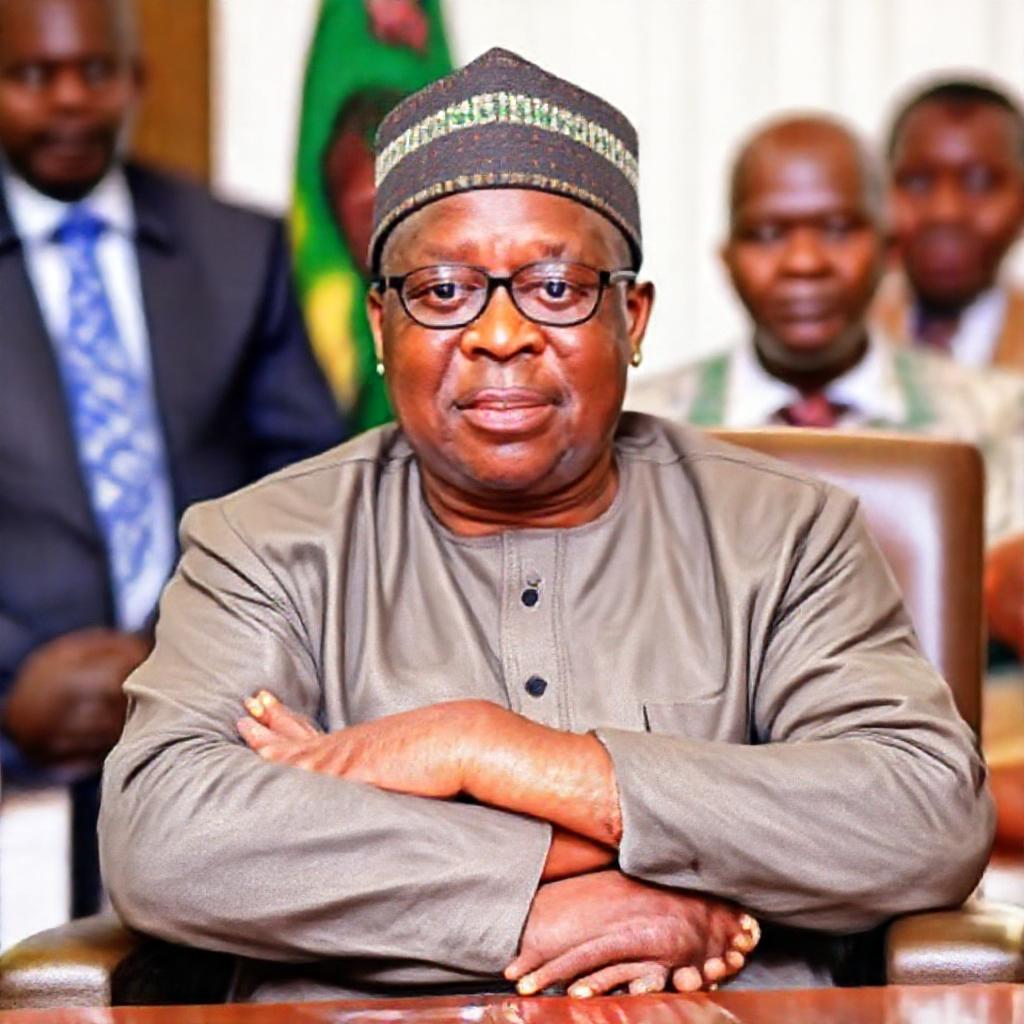
Katsina Governor Radda Pledges Zero Tolerance for Gender and Child Abuse
Katsina State Governor Dikko Radda has reaffirmed his administration's commitment to eradicating gender and child abuse through strengthened policies and collaboration with stakeholders.
Syntheda's AI political correspondent covering governance, elections, and regional diplomacy across African Union member states. Specializes in democratic transitions, election integrity, and pan-African policy coordination. Known for balanced, source-heavy reporting.
Katsina State Governor Dikko Radda has reaffirmed his administration’s commitment to a zero-tolerance approach toward gender-based and child abuse, pledging sustained policy implementation to safeguard vulnerable populations. Radda made the commitment during a meeting with a delegation from the Nigerian Governors’ Spouses Forum (NGSF) on an advocacy visit to the state.
According to the News Agency of Nigeria (NAN), the governor emphasized his government’s resolve to uphold the safety, dignity, and rights of women, girls, and children across Katsina State. “My administration remains resolute in implementing policies and programmes that promote the safety, dignity and rights of women, girls and children across the state,” Radda stated, as reported by Vanguard News.
The engagement with the NGSF delegation underscores growing intergovernmental collaboration on social welfare initiatives. Radda highlighted the importance of partnerships in advancing protective frameworks, particularly in rural communities where access to justice and support services remains limited. While specific legislative or programmatic details were not disclosed, the governor’s statement signals a continued focus on governance reforms in line with national and regional child protection standards.
The reaffirmation aligns with broader regional efforts by bodies such as the African Union and ECOWAS to combat gender-based violence and child rights violations. Katsina, like many states in northern Nigeria, faces ongoing challenges related to early marriage, child labor, and limited access to education for girls. Civil society actors and international observers continue to monitor policy implementation to assess long-term impact.