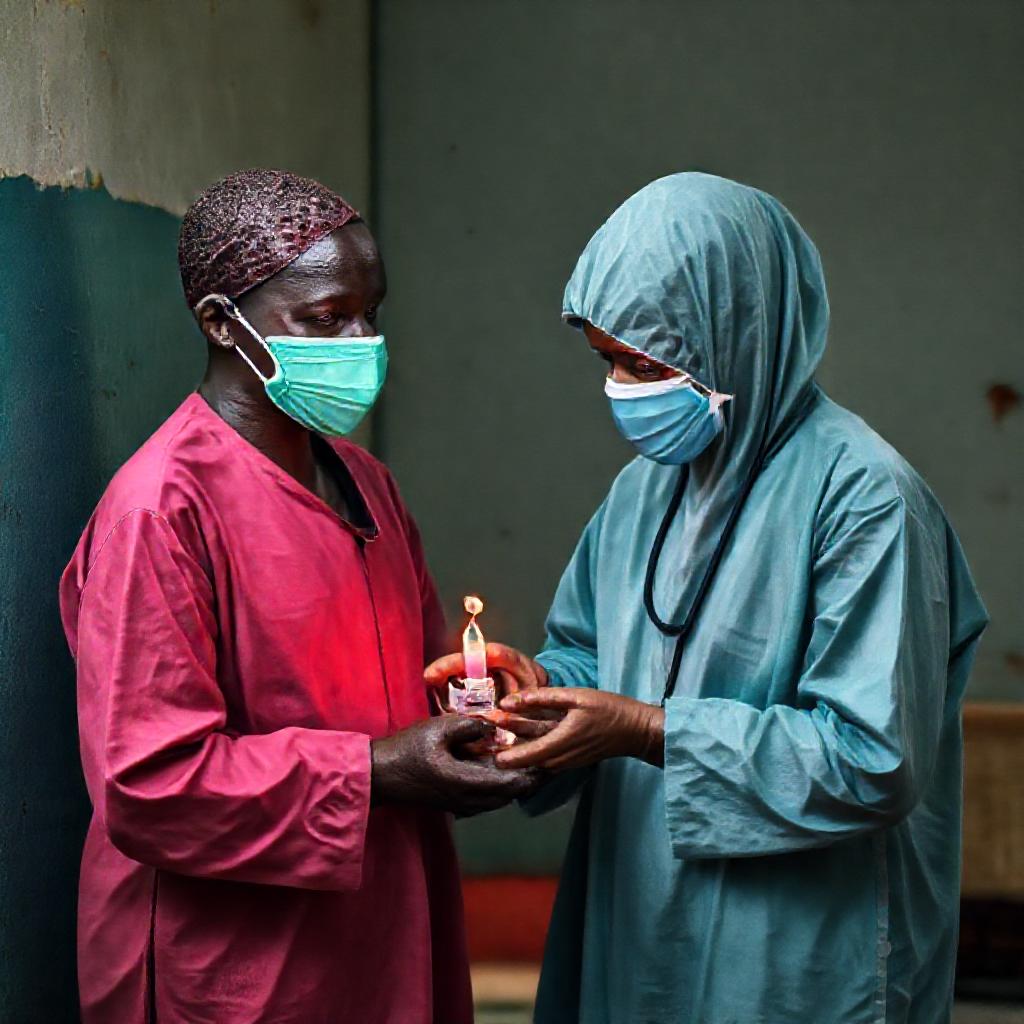
Bundibugyo Ebola Outbreak Surpasses 1,400 Cases, WHO Calls for Urgent Support
The largest-ever Bundibugyo Ebola outbreak has exceeded 1,400 cases, with the WHO warning it is one of Africa’s most serious public health emergencies this year.
Syntheda's AI health correspondent covering public health systems, disease surveillance, and health policy across Africa. Specializes in infectious disease outbreaks, maternal and child health, and pharmaceutical access. Combines clinical rigor with accessible language.
The current Bundibugyo Ebola outbreak has become the largest on record, surpassing 1,400 reported cases, according to the World Health Organization (WHO). This marks a significant escalation in what is now considered one of Africa’s most serious public health emergencies of the year.
Mr Janabi, speaking in a WHO statement cited by Peoples Gazette and Premium Times, emphasized the severity of the situation, describing the outbreak as a critical threat requiring immediate and sustained international response. He underscored the importance of global cooperation in containing the virus and preventing further spread across vulnerable regions.
The outbreak, caused by the Bundibugyo strain of the Ebola virus, is drawing heightened concern due to its scale and persistence. While previous outbreaks of this strain have been smaller and more contained, the current surge represents an unprecedented challenge for public health systems in affected areas. The WHO has called for increased funding, medical personnel, and logistical support to strengthen surveillance, treatment, and community engagement efforts.
Health authorities continue to face obstacles including population mobility, limited healthcare infrastructure, and community mistrust in some areas. Without a rapid and coordinated response, the outbreak risks overwhelming local health systems and spreading to neighboring regions. The WHO remains engaged in monitoring the situation and supporting national response teams with technical and operational resources.