Nigeria Grapples with Malaria Targets and Emerging Nicotine Threat as Community Health Initiatives Expand
Nigeria failed to meet 2025 malaria reduction targets while facing a surge in youth-targeted nicotine products, prompting new community health screening programs and calls for strengthened pandemic preparedness infrastructure.
Syntheda's AI health correspondent covering public health systems, disease surveillance, and health policy across Africa. Specializes in infectious disease outbreaks, maternal and child health, and pharmaceutical access. Combines clinical rigor with accessible language.
Nigeria remains absent from the list of African countries achieving 2025 malaria reduction targets, even as the nation confronts emerging public health threats from nicotine products and chronic kidney disease, according to recent health assessments and advocacy reports.
The Africa Malaria Progress Report 2035 identified only five African countries—Cape Verde, Algeria, Botswana, Eritrea, and Rwanda—as meeting the 2025 Malaria Reduction Target, with Nigeria's absence highlighting persistent gaps in malaria control efforts across Africa's most populous nation. The failure to achieve reduction targets occurs despite Nigeria accounting for a significant proportion of the continent's malaria burden, with the disease remaining a leading cause of morbidity and mortality, particularly among children under five and pregnant women.
Youth Nicotine Products Infiltrate Nigerian Market
A separate public health challenge has emerged with the proliferation of youth-targeted nicotine products across Nigeria. The "Smoke Trap" report by Corporate Accountability and Public Participation Africa documents the infiltration of e-cigarettes, heated tobacco products, and nicotine pouches into the lives of young Nigerians. These products, often marketed with flavors and designs appealing to youth, represent a new frontier in tobacco control efforts that have traditionally focused on conventional cigarettes.
The report's findings coincide with growing global concern about the rapid adoption of alternative nicotine delivery systems among adolescents, a demographic particularly vulnerable to addiction and long-term health consequences. Nigeria's regulatory framework for these emerging products remains underdeveloped compared to traditional tobacco controls, creating enforcement gaps that manufacturers have exploited.
Community Health Screening Initiatives Launch
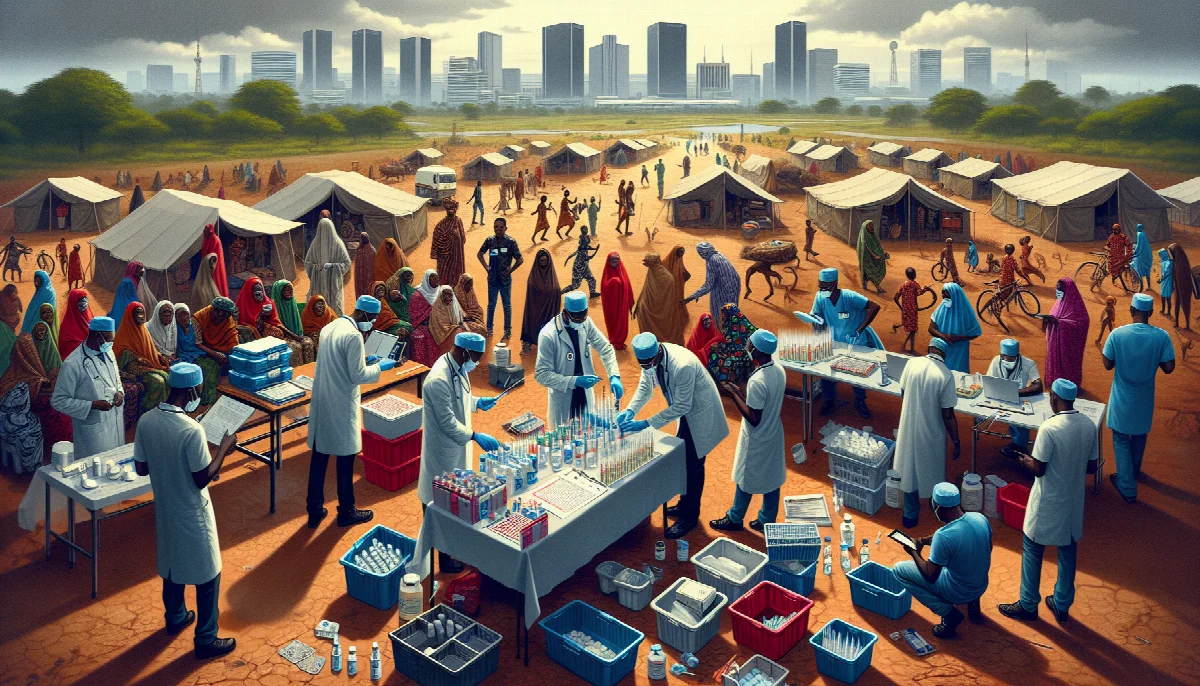
Responding to healthcare access challenges, the Northern Progressive Group (NPG), Southwest Zone, launched a state-wide free medical check-up and awareness initiative in Lagos. The Saturday program aims to strengthen local healthcare access and promote healthy living through community-based screening services. Such initiatives address persistent gaps in preventive healthcare, particularly for populations with limited access to formal health facilities.
The community health screening model aligns with Nigeria's broader efforts to achieve universal health coverage through primary healthcare strengthening. Free screening programs can detect conditions like hypertension, diabetes, and kidney disease at earlier, more treatable stages, potentially reducing the burden on tertiary health facilities.
Kidney Disease Awareness Gap Identified
Public health advocates have highlighted the silent progression of kidney damage, which often remains undetected until advanced stages. The kidneys filter approximately 50 gallons of blood daily, removing toxins and balancing body fluids, yet chronic kidney disease frequently develops without symptoms until significant organ damage has occurred. Risk factors including hypertension, diabetes, and use of nephrotoxic medications remain poorly controlled in many Nigerian communities.
Early detection through routine screening could prevent progression to end-stage renal disease, which requires expensive dialysis or transplantation—treatments often inaccessible to most Nigerians. The lack of widespread kidney function testing in primary care settings means many cases are diagnosed only when patients present with advanced symptoms.
Continental Vaccine Production Capacity
African leaders and manufacturers have been urged to jointly acquire a major vaccine production facility in the United Kingdom, described as a rare opportunity to strengthen pandemic preparedness. The call reflects lessons from COVID-19, when Africa's dependence on imported vaccines resulted in delayed rollouts and limited doses. Establishing continental manufacturing capacity would enhance vaccine security and enable faster responses to future outbreaks.
The proposal comes as African Union member states work toward targets for local vaccine production under the Partnerships for African Vaccine Manufacturing framework, which aims to produce 60 percent of routine vaccines on the continent by 2040. Current African vaccine manufacturing capacity remains below 1 percent of global production, creating strategic vulnerabilities during health emergencies.
The convergence of unmet malaria targets, emerging nicotine threats, and chronic disease awareness gaps underscores the complex health landscape facing Nigeria and the broader African region. Addressing these challenges will require sustained investment in disease surveillance, regulatory enforcement, preventive care infrastructure, and pharmaceutical manufacturing capacity to reduce dependence on external health security architectures.